Winter Solstice: When the Longest Night Brings Hope
by astroport December 20, 2025
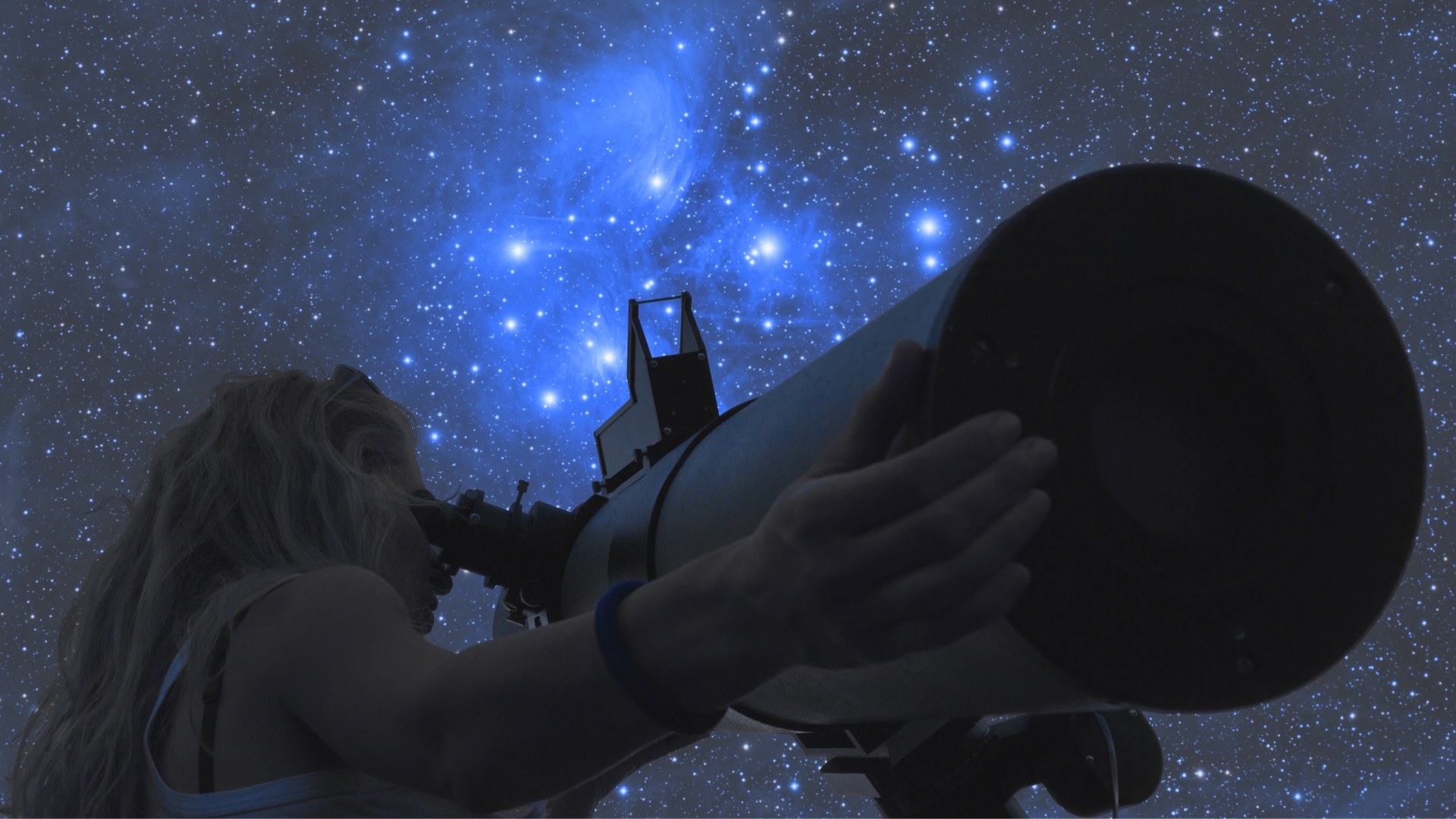
Winter nights hold a special place in my life as a stargazing expert. Standing outside under open skies, wrapped in warm layers, beside the telescope, I guide people as they look up at the stars while the cold slowly settles in. Among these days, 21 December feels special because it marks the Winter Solstice, the longest night and the shortest day of the year in the Northern Hemisphere.
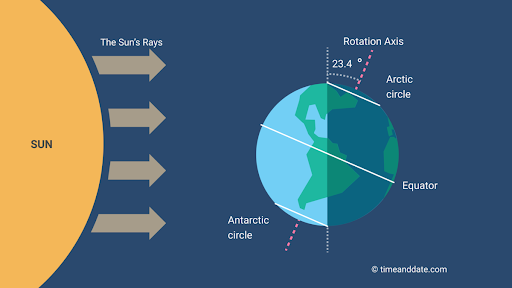
This celestial milestone occurs because Earth is tilted on its axis. On this day, the Northern Hemisphere is angled farthest away from the Sun, receiving the least amount of sunlight in the entire year. From the next day onwards, daylight slowly starts to increase, almost unnoticeable at first, even though winters continue for some time.
Whenever I share with my audience that the longer nights have finally reached their peak, I often notice quiet smiles with calm nods. It brings a sense of warmth and hope to them as if nature itself is gently reassuring.
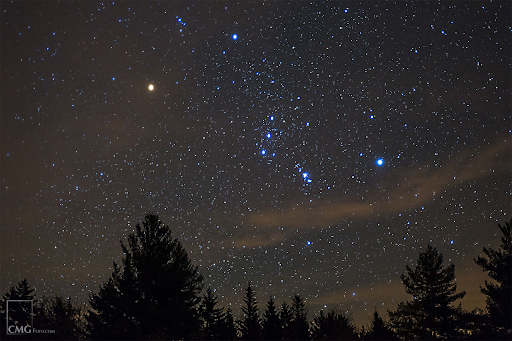
Orion Constellation on a clear winter night
Interestingly, while days are shortest, nights become a stargazer’s delight. Winter skies are actually one of the best occasions for stargazing, where the atmosphere remains usually clearer, with lower humidity making stars appear brighter and sharper. Iconic constellations like Orion, Taurus and Gemini rise to make the beginners and seasoned observers feel amazed.
These moments remind me why astronomy truly matters. The winter solstice is not just about stars and constellations-it’s also about understanding how the motion of Earth in this vast, dynamic universe shapes our seasons, skies and human emotions in a very profound way.
Visit your nearest Astroport to enjoy the winter sky with us!
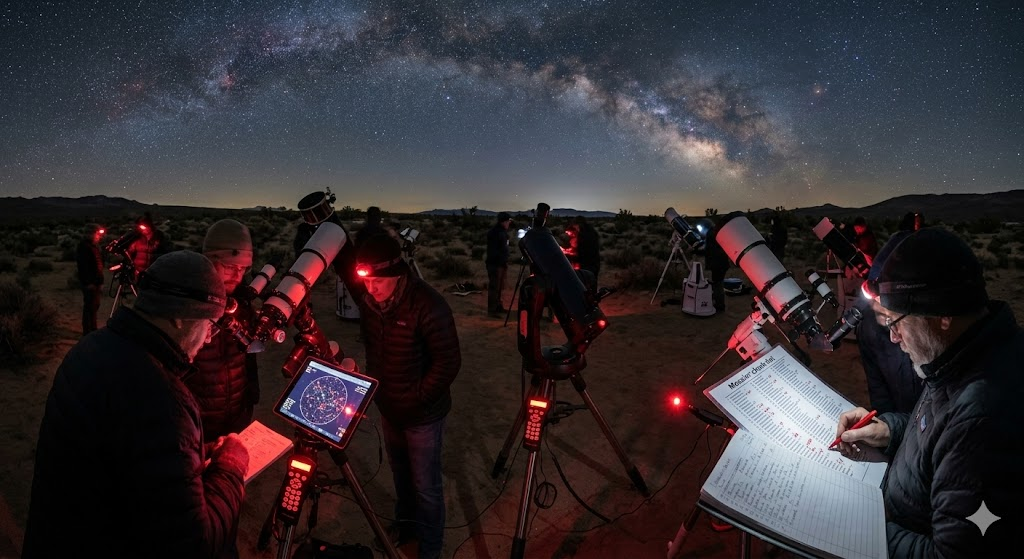
An extraordinary celebration of the night sky is arriving this spring. The Messier Marathon 2026, scheduled from 14 March to 22 March 2026, invites astronomy enthusiasts — from curious beginners[…]
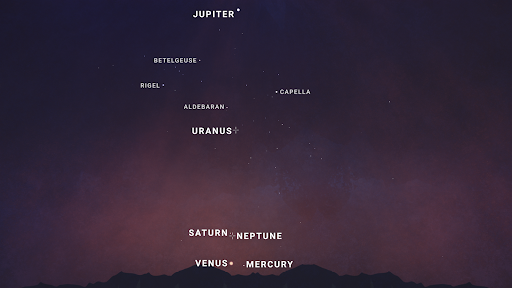
A Planet Parade is one of the most breathtaking sights in the night sky. Although these planets are millions of miles apart, their orbits can make them appear beautifully aligned[…]
The discovery of celestial bodies near Earth often sparks excitement, curiosity, and sometimes even confusion about the possibility of a second moon. One such recent discovery, 2024 PT5, has reignited[…]
Introduction Comets have long captivated our imaginations, and this October, skywatchers are in for a treat with the appearance of C/2023 A3 (Tsuchinshan-ATLAS). This remarkable icy visitor from the outer[…]